

Updates for one year, unlimited sites, auto updates, and regular updates.
$3.99
 BookmarkBookmarked
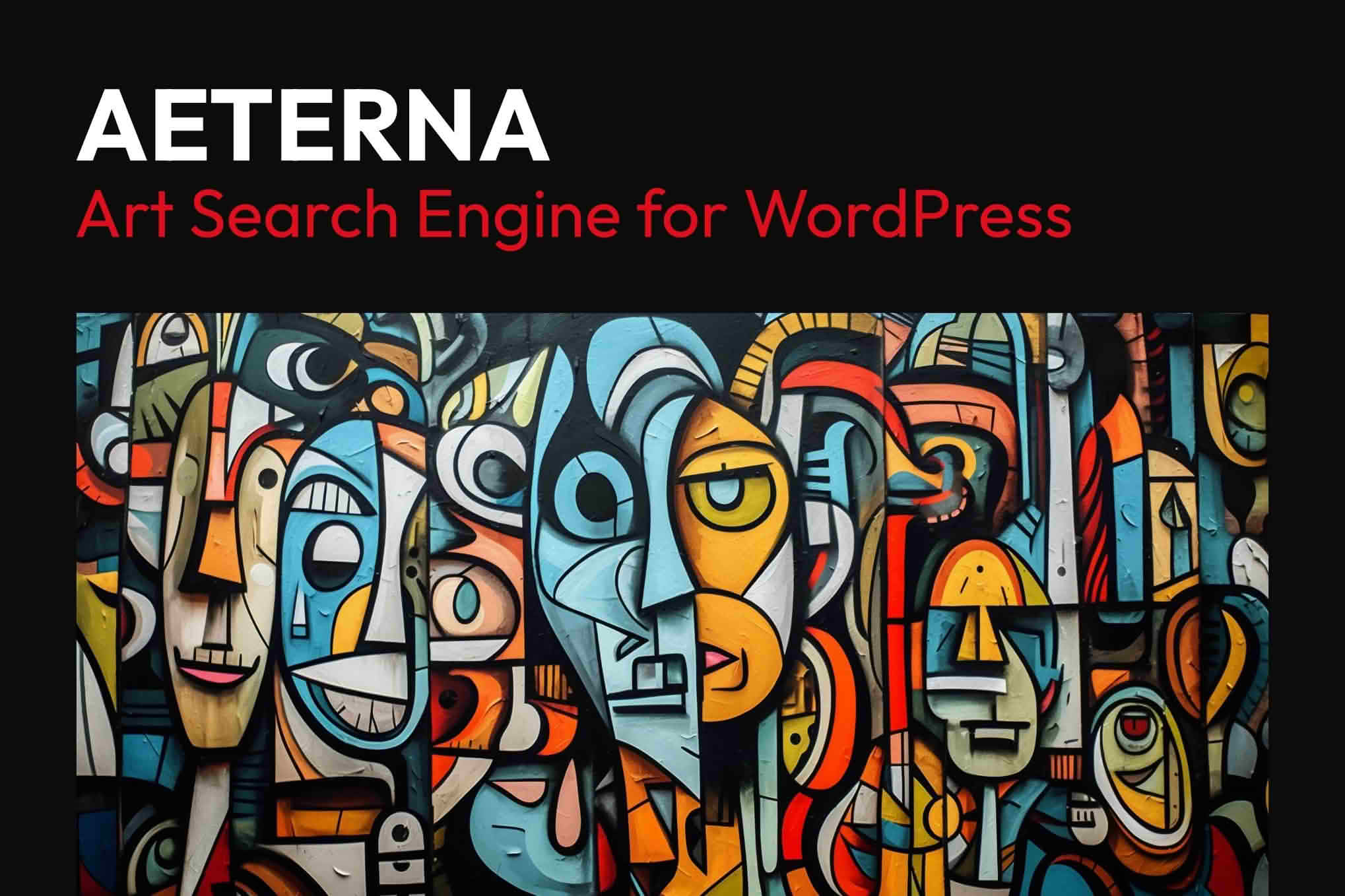
Aeterna adds an art search engine to your WordPress site, so visitors can browse and search large collections of public-domain artworks and museum pieces without leaving your pages. Rather than sending readers off to a series of separate websites, the exploration takes place on your own domain, alongside the articles, galleries and commentary you already publish. This description looks at what the experience offers visitors, why public-domain material appeals to site owners, which kinds of websites tend to benefit most, and how to present a collection responsibly once it is live.
From a visitor’s point of view the appeal is straightforward. Someone arrives curious about a painting, a historical period or a particular maker, and instead of leaving to look elsewhere, they can start exploring right away. The plugin supports two natural routes into the material. A visitor can browse through the collection at a relaxed pace, or search when they already have something specific in mind. Both routes keep attention on the works themselves.
Because the search runs from inside your site, the person looking at an artwork stays within your design, your navigation and your tone of voice. That consistency helps the exploration feel connected to the rest of your content rather than like a detour. A reader who has just finished an article about a museum’s history, for example, can move directly into the objects that the article describes without a jarring change of context.
A search tool earns its place only when it answers questions your readers genuinely ask. Think about the searches people are likely to make, and write the text around the collection so that the works and your commentary support one another.
Public-domain works are creative works that are no longer protected by copyright. In most places that means they can be shown and discussed without asking a rights holder for permission. For a site owner, this opens up a large body of material that is otherwise hard to use. Historic paintings, prints, drawings and sculptures make excellent subjects for articles, teaching resources and inspiration pages, and the range of periods and regions means there is nearly always another angle to explore.
The rules are not identical everywhere. Copyright terms differ between countries, and some institutions attach their own conditions to the images they publish, even when the underlying artwork is in the public domain. Treat public-domain status as the starting point for your checks rather than the final word.
Aeterna is built around this kind of material, which is why its focus is on public-domain artworks and museum pieces. Working with works of this type also gives you editorial flexibility. Instead of being limited to a small set of images you happen to have permission to use, you can compare works from different centuries, follow a theme across several regions or assemble a thread about a single subject.
Art history writers are an obvious audience. When an article mentions a movement or an artist, a search lets readers follow that thread immediately, which can turn a short piece into a longer browsing session. The same logic applies to educators. Teachers and tutors who run websites for students can point learners to a searchable body of works, encouraging independent exploration rather than passive reading.
Travel and city-guide sites are another good fit. Many destinations are defined by their galleries and museums, so an art search can complement a feature about a city’s cultural life and give visitors something to look at before they plan a trip. Design, interiors and craft blogs can draw on historic works for mood boards and inspiration. Hobbyist communities, such as sketching groups or print collectors, can use a shared collection as a common reference point.
Not every website will justify a full art section. If art is only a minor theme on your site, consider whether a search tool would feel like a natural extension of your content or an unexpected addition. Deciding this early saves effort and keeps the site coherent for the people who visit it.
Start with a clear purpose. Decide whether the search is primarily for research, for inspiration or for teaching, because that choice affects where you place the tool and what you write around it. A research-focused section may need short notes on sources and dates, while an inspiration-focused section might lean more on visual themes and brief captions.
Pair the search with editorial content. Articles that explain why a particular work matters give visitors a reason to explore further. A brief introduction, a sentence on historical context and a note about technique can turn a list of results into a story that a reader wants to follow to the end.
Consider landing pages for recurring themes. If certain subjects attract repeat visits, create a dedicated page that introduces the topic in a few well-chosen paragraphs and invites visitors to continue through the search. Over time these pages become a map of your interests and make the collection easier for newcomers to navigate.
Keep the navigation simple. Visitors should always be able to tell where they are, how to return to the wider site and what they can do next. A clean path from article to collection and back again makes the whole section feel deliberate.
Public-domain status answers a question about copyright, but it does not remove the responsibility to credit sources. Name the institution that holds each work and, wherever the source provides them, include the artist, title, date and medium. Clear attribution builds trust with readers and gives them a route back to the original record if they want to learn more.
Check important details before you publish. Dates, attributions and titles can differ between sources, and collection records are sometimes corrected over time. Verify any fact that an article depends on against the institution’s own record, rather than relying on a single secondary description.
Be careful with reproductions. A photograph of an old painting is not the painting itself, and the conditions attached to a particular image may differ from the status of the artwork. Read the terms that the institution attaches to each image you use, and keep a note of where every image came from.
A short set of checks will prevent most problems after launch.
The search itself is only one part of the job. The text around it, such as a short introduction to a period or an artist, is what helps visitors make sense of unfamiliar works. A little research there pays off more than any single setting.
Be cautious. Coverage depends on the collections the tool can draw on, and visitors judge a search by what they actually find. Describe what readers can expect in clear, modest language, and promise only what your chosen collections can deliver.
Museum records change as institutions add objects, reclassify items or correct details. An article that cites a specific date or attribution may therefore need a periodic check. Revisiting older pieces every so often keeps your content accurate and trustworthy.
Aeterna gives your site a way to bring historic artworks and museum pieces into the reading experience while keeping exploration on your own pages. Paired with thoughtful writing and careful attribution, a searchable collection can become an art section that feels like a genuine part of your editorial work. Plan the purpose, write with care, credit every source, and the search can carry much of the exploration for you.


